A PRACTICAL WALLPAPER GUIDE

Before the pattern goes up

A little knowledge makes it easier to choose a wallcovering and understand what installation may involve. Start with the wall itself.
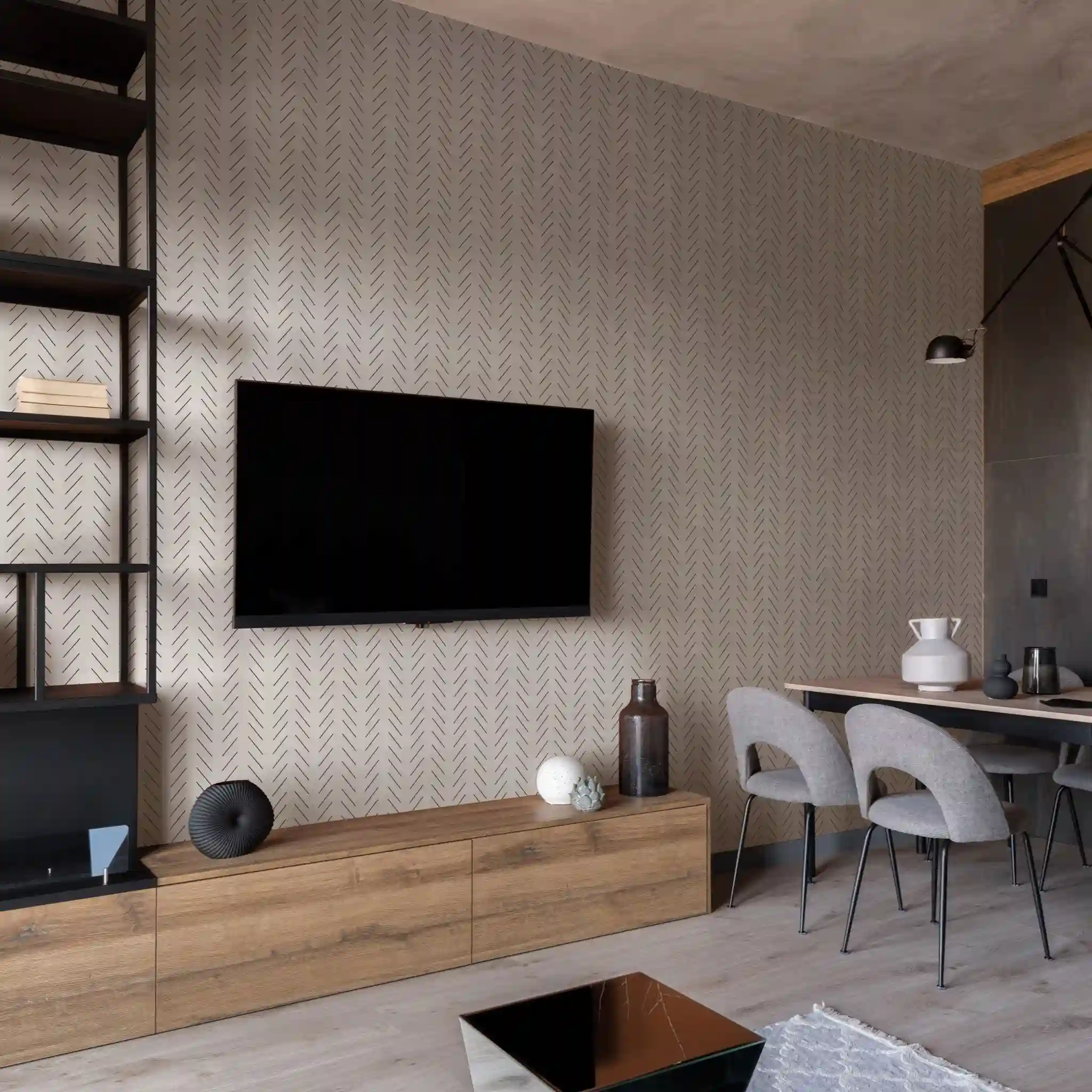
Wallpapered interior with a carefully composed patterned wall
Soft patterned wallpaper in a light nursery interior

The wall sets the stage

Surface first. Pattern second.

Wallpaper looks its best when the surface beneath it is suitable for the product. Texture, loose paint, residue, repairs and existing wallcovering can affect preparation. A smooth material may show imperfections more clearly than a heavily textured one.

Before choosing a paper, check its manufacturer’s guidance for surface preparation and adhesive compatibility. If you are unsure about the wall, describe what you see when you call.

01 / Pattern

Give the repeat room to work.

Large repeats may create more trim waste than small-scale patterns. A focal wall, doorway or window can influence where a pattern begins. Matching at inside and outside corners can require planning because walls are rarely perfectly square.

02 / Material

Different coverings, different considerations.

Traditional wallpaper and peel-and-stick products do not necessarily use the same installation method. Product instructions, surface finish and room conditions matter. Murals may arrive as numbered panels that need to be installed in a particular order.

03 / Details

Seams and edges are part of the design.

Visible seams, corners, trim, outlets and transitions all affect the finished look. Planning around those details helps the pattern read as a continuous surface instead of a collection of separate strips.

A few useful answers

Questions people often ask.

Can I call before I know my wall measurements?

Yes. You can call with an idea or a question; detailed measurements are not required for an initial conversation. You may ask whether an on-site assessment or measurements can be arranged.

Does the wall need to be perfectly smooth?

That depends on the wallcovering and the existing surface. Texture, repairs and residue can affect preparation and may be more visible under some materials. The wall and product instructions help determine what is appropriate.

Is peel-and-stick wallpaper suitable for every wall?

Not necessarily. Adhesion can depend on surface texture, paint condition and the product’s requirements. Review the manufacturer’s surface guidance and discuss any uncertainty before installation.

What can affect an estimate?

Project size, material, pattern repeat, wall condition, removal needs, openings and access can all affect the scope. You can start with whatever details you have; photos and measurements are optional context.

Can wallpaper be installed in a business?

Commercial wallpaper installation is an offered service. The type of space, amount of wallcovering, schedule constraints and wall condition help define the project discussion.
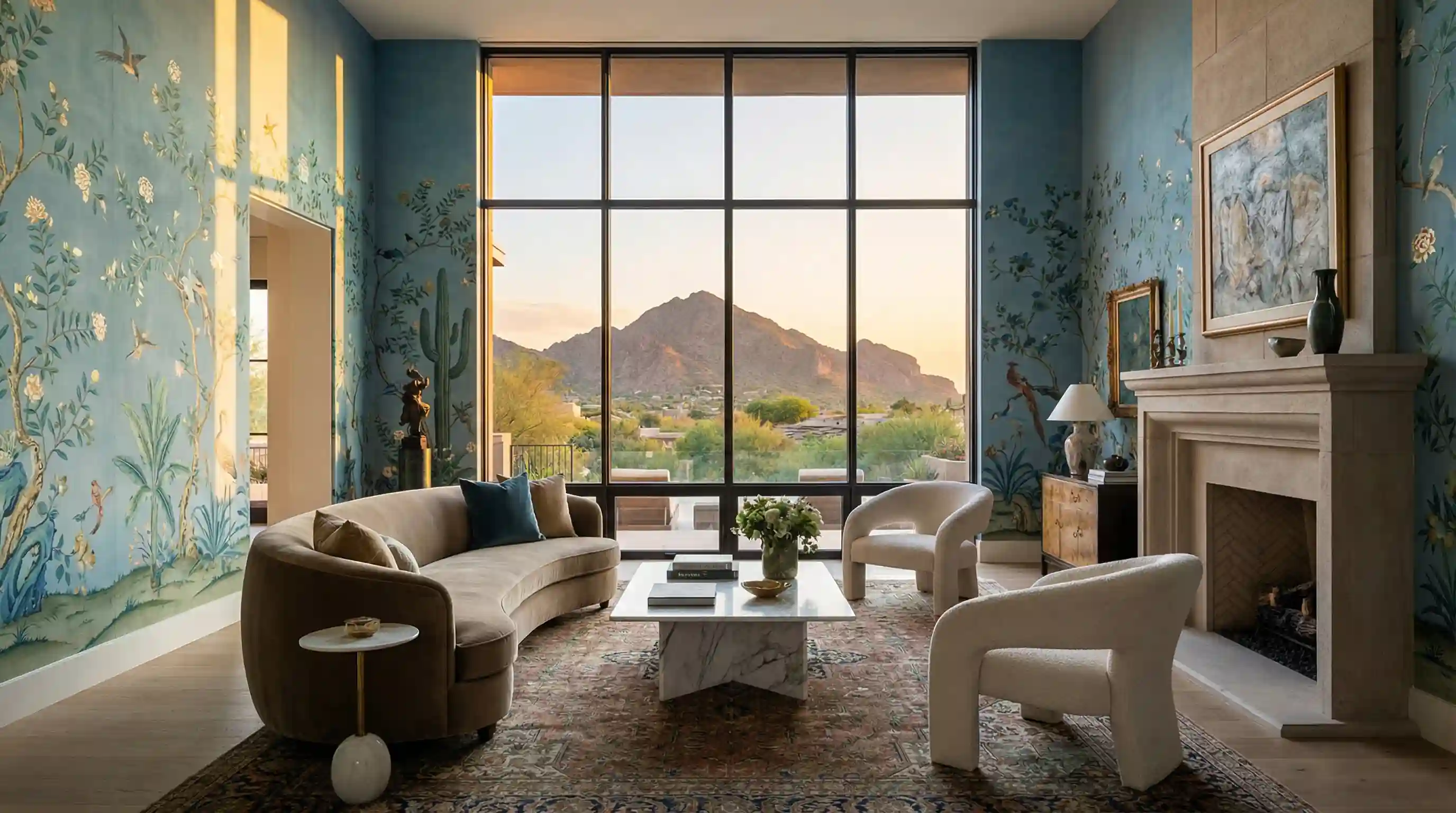
Need help thinking it through?

Talk through the wall before choosing the next step.

Call (979) 310-6781
Request an estimate